This program was part of the 2026 edition (June 9–11, 2026). Discover the 2027 edition
Pre-congress course: Hysteroscopy (20 places)
-
Date
June 9–11, 2026
-
Duration
3 Intensive Days
ABOUT THE COURSE
Comprehensive Training
Hysteroscopy is a central tool in evaluating and treating various intrauterine conditions, allowing direct visualization of the uterine cavity and interventions with minimal tissue trauma. The evolution of smaller-caliber hysteroscopes, distension systems and surgical devices has expanded the availability of outpatient/office procedures (with modern analgesia strategies) and, when indicated, procedures in the operating room under anesthesia. This model offers convenience, avoids general anesthesia in many cases and usually allows rapid recovery and an early return to activities.
Although generally a safe procedure, good practice requires mastery of indications, appropriate patient selection, instrument choice, surgical technique and, above all, prevention and management of specific risks — particularly control of the distension medium and fluid deficit, one of the main safety dimensions in operative hysteroscopy.
This course was designed to offer a practical, evidence-based view of diagnostic and operative hysteroscopy: presentation of equipment and settings, discussion of indications and surgical strategies, and realistic training on neoderma models, focusing on technical efficiency, safety and standardization.
ACTIVITIES
Hands-on: Course Coordination
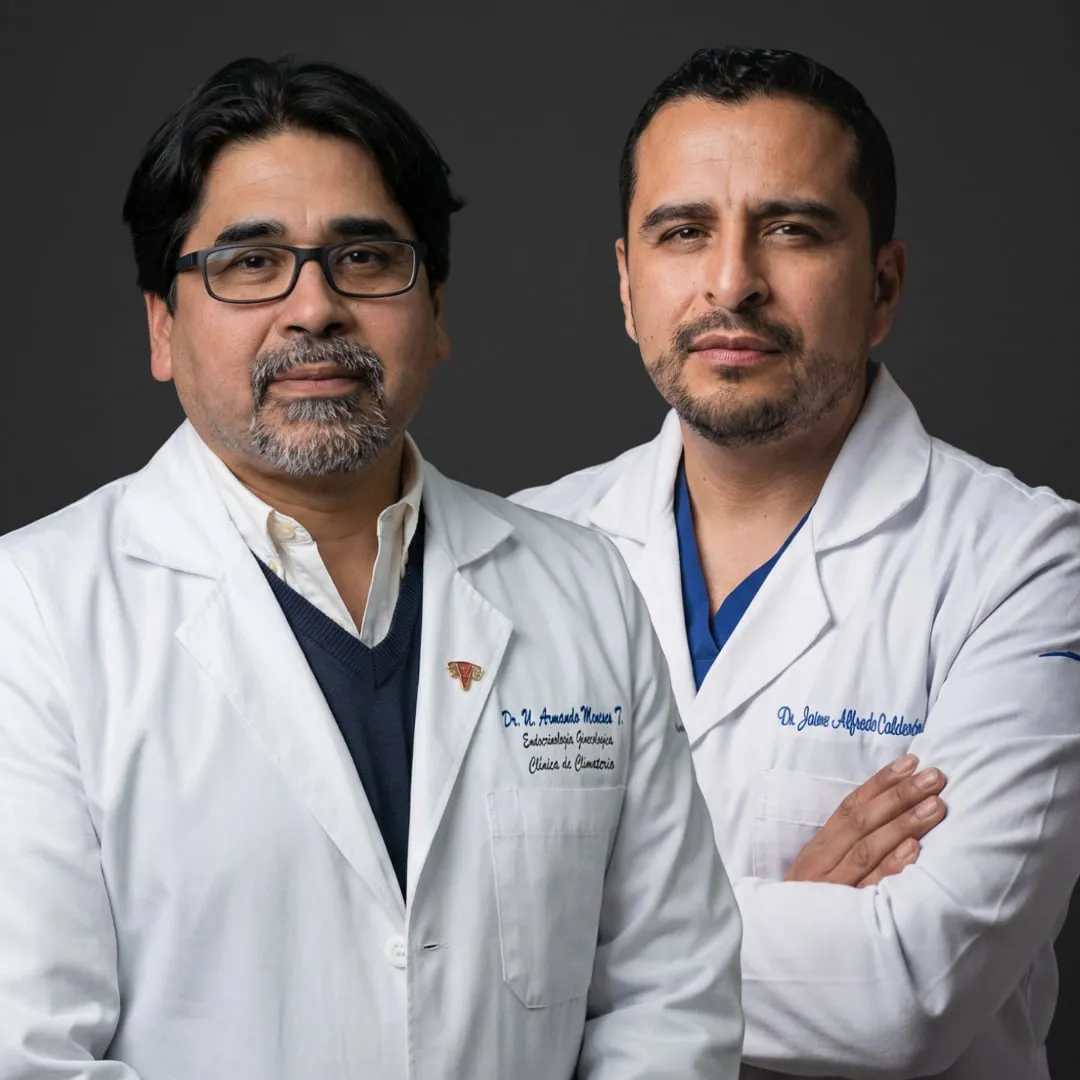
- Dr. Ulises Armando Menocal Tavernier
- Dr. Jaime Alfredo Calderón Tapia
Guest faculty
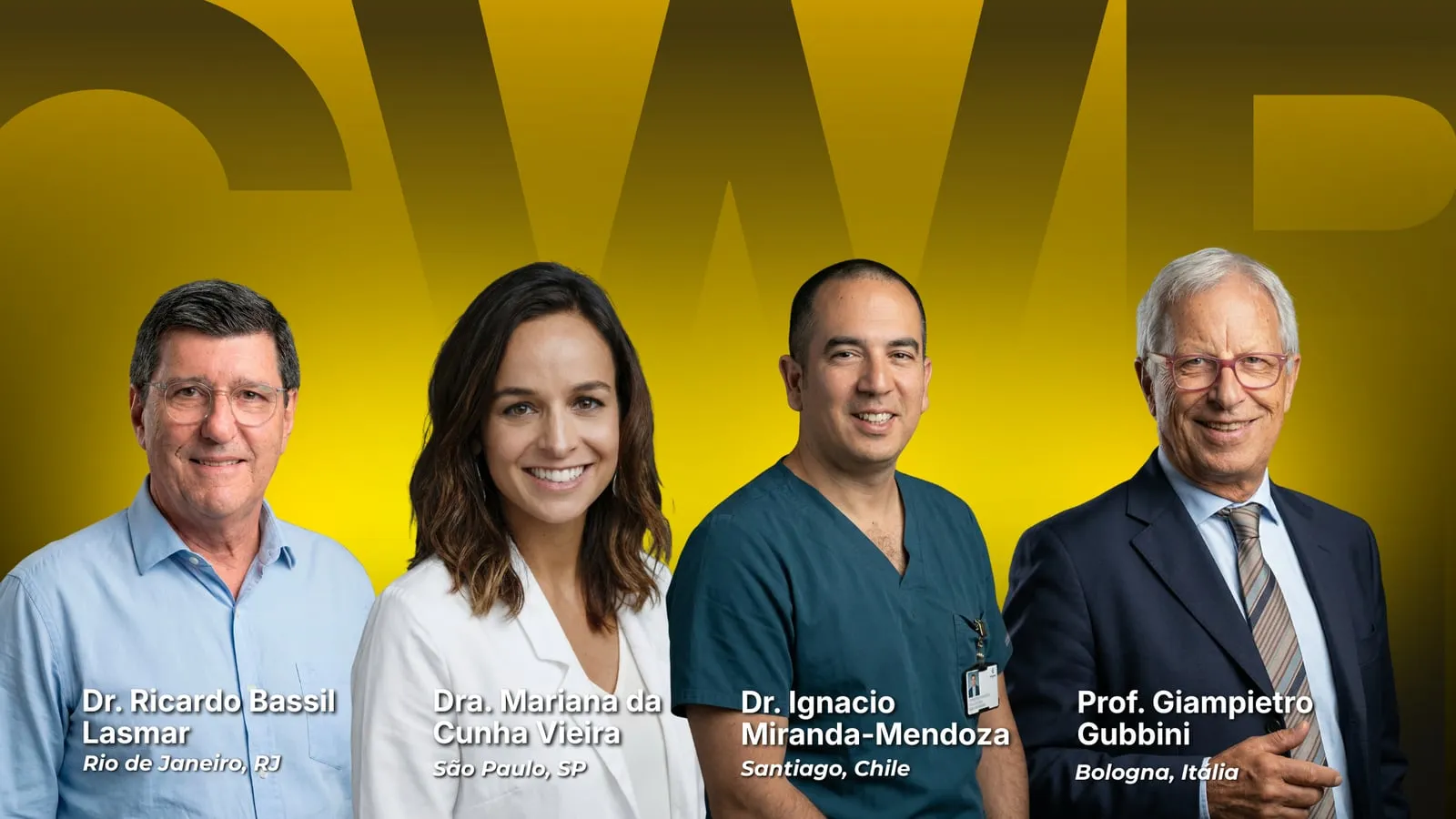
National and International Guests
OBJECTIVES
What you will learn
By the end of the course, participants will be able to:
- Handle and configure hysteroscopy equipment appropriately (optics, sheaths, energy, distension and instruments).
- Indicate hysteroscopy correctly (diagnostic and operative), integrating clinical findings, ultrasound and complexity/risk criteria.
- Apply appropriate hysteroscopic techniques for different intrauterine conditions, selecting the best strategy for each setting.
- Recognize and prevent complications, emphasizing safety principles for the distension medium and monitoring of fluid deficit, as well as initial management of adverse events.
- 3 DAYS OF IMMERSION
- 6 FACULTY
IMMERSION
Schedule
-
13:00 – 13:20
Opening
Dr. Ulises Armando Menocal Tavernier & Dr. Jaime Alfredo Calderón Tapia
-
13:20 – 13:40
Office hysteroscopy instruments and equipment (Bettocchi set)
Dr. Jaime Alfredo Calderón Tapia
-
13:40 – 14:00
Distension media
Dr. Ignacio Miranda-Mendoza
-
14:00 – 14:20
Hysteroscopy technique: how to perform it in your office
Dr. Ricardo Bassil Lasmar
-
14:20 – 14:40
Indications for outpatient hysteroscopy
Dra. Marina Miyumi Maekawa
-
14:50 – 15:00
Discussion
-
15:00 – 15:30
COFFEE BREAK
-
15:30 – 15:50
Role of hysteroscopy in infertility
Dr. José Vitor Zanardi
-
15:50 – 17:20
Practical session (all instructors for the 5 tables)
- Exercise 1. Assembling equipment and instruments (Bettocchi set)
- Exercise 2. Practice in the color box to begin spatial localization in hysteroscopy.
- Exercise 3. Practice on a bell pepper to improve orientation of the endoscopic visual field. Use scissors and a grasper and master dimensionality
- Exercise 4. Practice in the reading box to complete spatial localization
-
17:20 – 17:40
Difficult cervical access: strategies to overcome anatomical obstacles to hysteroscopy
Dra. Mariana da Cunha Vieira
-
17:40 – 18:00
Office Management of Polyps and Endometrial Biopsy
Prof. Giampietro Gubbini
-
18:00 – 18:20
Endometrial hyperplasia and endometrial cancer: the role of hysteroscopy
Dra. Marina Miyumi Maekawa
-
18:20 – 18:40
Pain management in office hysteroscopy
Dr. Ulises Armando Menocal Tavernier
-
18:40 – 19:00
Questions and answers
-
19:00
End of the session
-
08:00 – 08:20
Role of hysteroscopy in pregnancy
Dr. Ulises Armando Menocal Tavernier
-
08:20 – 08:40
Removal of foreign bodies
Dr. Jaime Alfredo Calderón Tapia
- Displaced uterine devices: diagnosis and treatment
-
08:40 – 10:10
Practical session (all instructors for the 5 tables)
- Exercise 5. Practice in vaginoscopy and approach to the neoderma uterus
- Exercise 6. Removal of foreign bodies
-
10:10 – 10:30
Coffee break
-
10:30 – 10:50
STEPW classification system for submucosal fibroids – assessment of the possibility of partial or complete hysteroscopic resection of submucosal fibroids
Dr. Ricardo Bassil Lasmar
-
10:50 – 11:10
Uterine malformations: diagnosis and treatment
Dra. Mariana da Cunha Vieira
-
11:10 – 11:30
Office myomectomy: how is it possible?
Dr. Ricardo Bassil Lasmar
-
11:30 – 11:50
Equipment, instruments and indications for operative hysteroscopy
Dr. Ulises Armando Menocal Tavernier
-
11:50 – 12:10
Electrosurgery in operative hysteroscopy
Dr. Ignacio Miranda-Mendoza
-
12:10 – 13:40
Lunch
-
13:40 – 15:10
Simulator practice with neoderma uteri and animal tissues (all instructors for the 5 tables)
- Exercise 7. IUD repositioning
- Exercise 8. Biopsy, cutting and removal of polyps and other conditions in neoderma uteri
-
15:10 – 15:30
Fluid overload: pathophysiology, prevention and management
Dr. Ignacio Miranda-Mendoza
-
15:30 – 15:50
Surgical hysteroscopic treatment of cesarean-induced isthmocele in restoring fertility and improving abnormal uterine bleeding
Prof. Giampietro Gubbini
-
15:50 – 16:10
Dysmorphic uteri: clinical assessment and hysteroscopic treatment
Dra. Mariana da Cunha Vieira
-
16:10 – 16:30
Questions and answers
-
16:30
End of the course for the Theoretical Course
-
17:30
Social gathering
-
08:00 – 08:20
Surgical technique in resectoscopy
Dr. Jaime Alfredo Calderón Tapia
-
08:20 – 08:40
Endometrial polyp surgery
Dr. Ignacio Miranda-Mendoza
-
08:40 – 09:00
Why should we use the miniresectoscope?
Prof. Giampietro Gubbini
-
09:00 – 09:20
Surgical technique for hysteroscopic myomectomy: importance of the pseudocapsule
Dr. Ricardo Bassil Lasmar
-
09:20 – 09:40
Endometrial ablation: technical aspects and indications
Dra. Marina Miyumi Maekawa
-
09:40 – 10:00
Coffee break
-
10:00 – 12:00
Practical session with neoderma uteri and animal tissues (all instructors for the 5 tables)
- Exercise 9. Assembling the resectoscope, endomat and other neoderma equipment
- Exercise 10. Managing the surgical field and resectoscope maneuvers
- Exercise 11. Polyp resection
-
12:00 – 13:30
Lunch
-
13:30 – 13:50
Classification of intrauterine synechiae
Dr. Ricardo Bassil Lasmar
-
13:50 – 14:10
Hysteroscopic Management of Uterine Synechiae: Surgical Technique and How to Minimize Recurrence?
Prof. Giampietro Gubbini
-
14:10 – 14:30
Complications in hysteroscopy
Dr. Ulises Armando Menocal Tavernier
-
14:30 – 14:50
Mechanical hysteroscopic tissue removal or hysteroscopic morcellator
-
14:50 – 15:10
Hysteroscopic management of retained products of conception
Dr. Jaime Alfredo Calderón Tapia
-
15:10 – 15:30
Prevention of adhesions in hysteroscopy
Dra. Mariana da Cunha Vieira
-
15:30 – 16:00
Coffee break
-
16:00 – 18:00
Practical session with neoderma uteri and animal tissues (all instructors for the 5 tables)
- Exercise 12. Endometrial ablation
- Exercise 13. Simulation of myomectomy and polypectomy
- Exercise 14. Simulation of uterine septum