This program was part of the 2026 edition (June 10–11, 2026). Discover the 2027 edition
Pre-congress course: Robotic surgery in gynecology (40 places)
-
Date
June 10–11, 2026
-
Duration
2 Intensive Days
ABOUT THE COURSE
Comprehensive training
Robotic surgery represents the natural evolution of minimally invasive surgery, offering precision, improved ergonomics, enhanced vision and unprecedented opportunities for technological integration. In the current setting, it is no longer just a tool, but part of a broader ecosystem of decision-making, preoperative planning and data-guided surgical execution.
This intensive course was carefully structured to provide an immersive, practical experience — combining live surgery with in-depth discussions, scientific update sessions, technical standardization and exposure to emerging technologies (AI, augmented reality and next-generation robotic platforms).
The program was designed to be relevant to surgeons beginning their robotic journey and equally challenging and enriching for experienced robotic surgeons seeking improved performance, greater predictability and strategies for consistent results in clinical practice.
ACTIVITIES
Coordinators
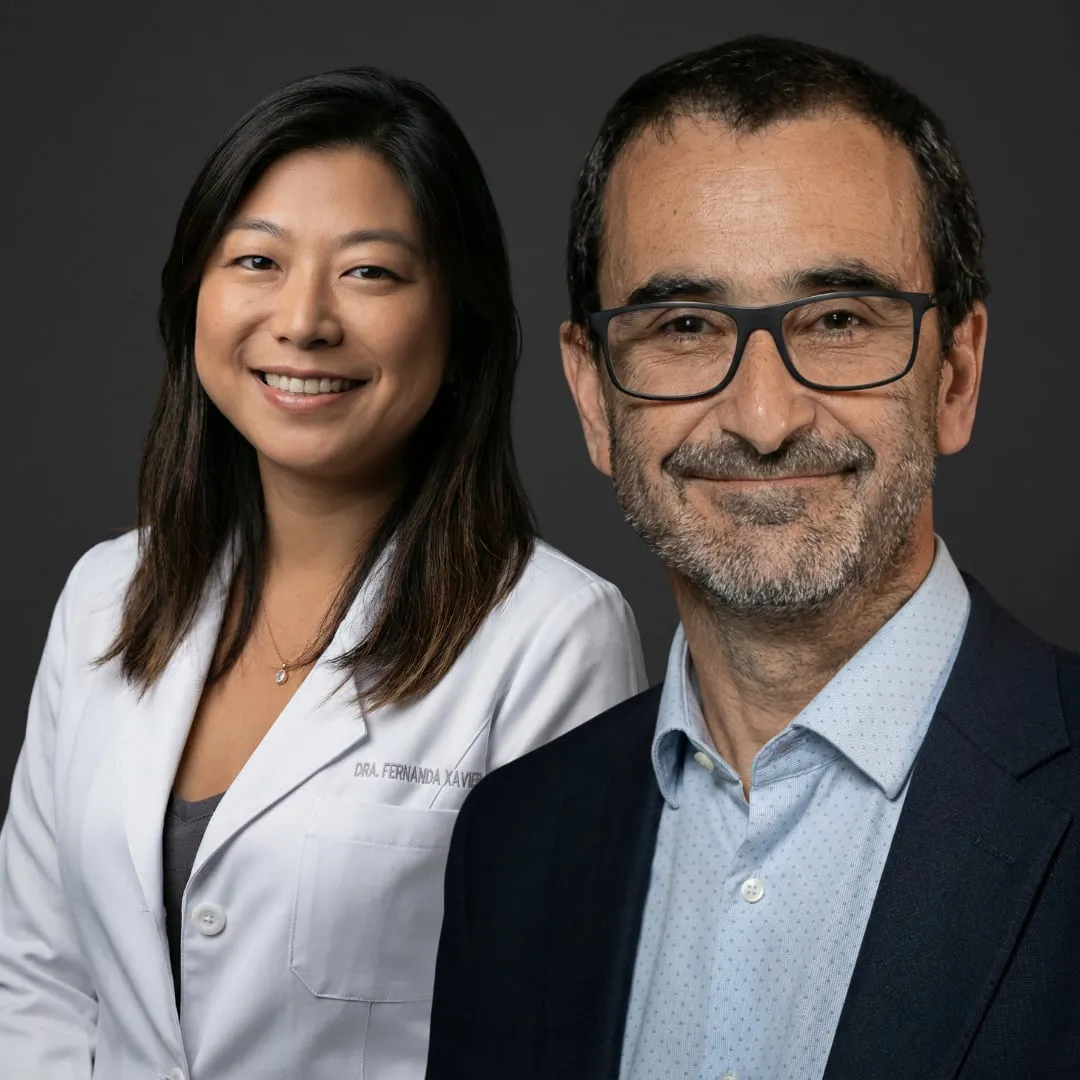
- Dra. Fernanda Okita
- Dr. Fernando Heredia
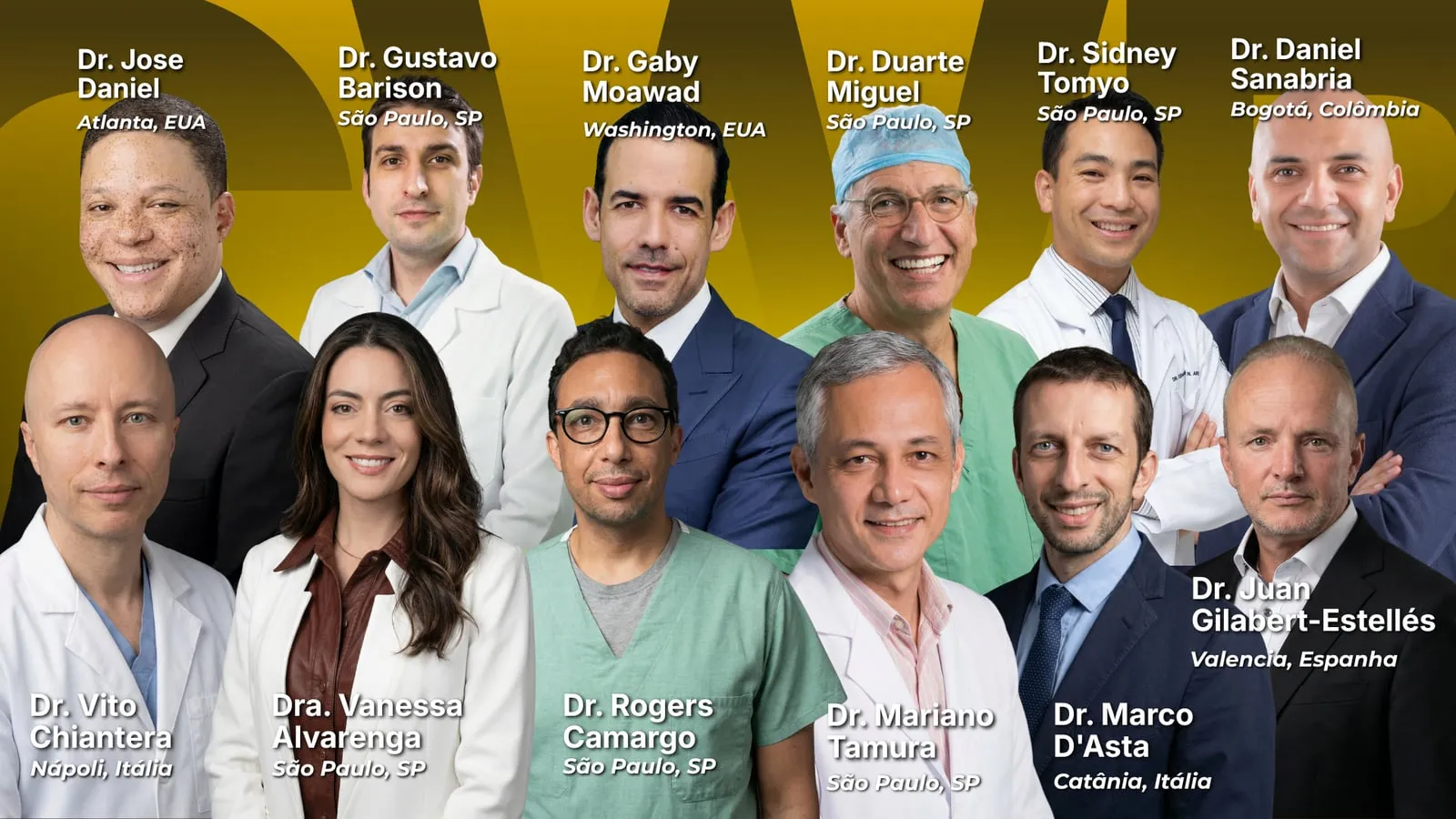
Guest faculty
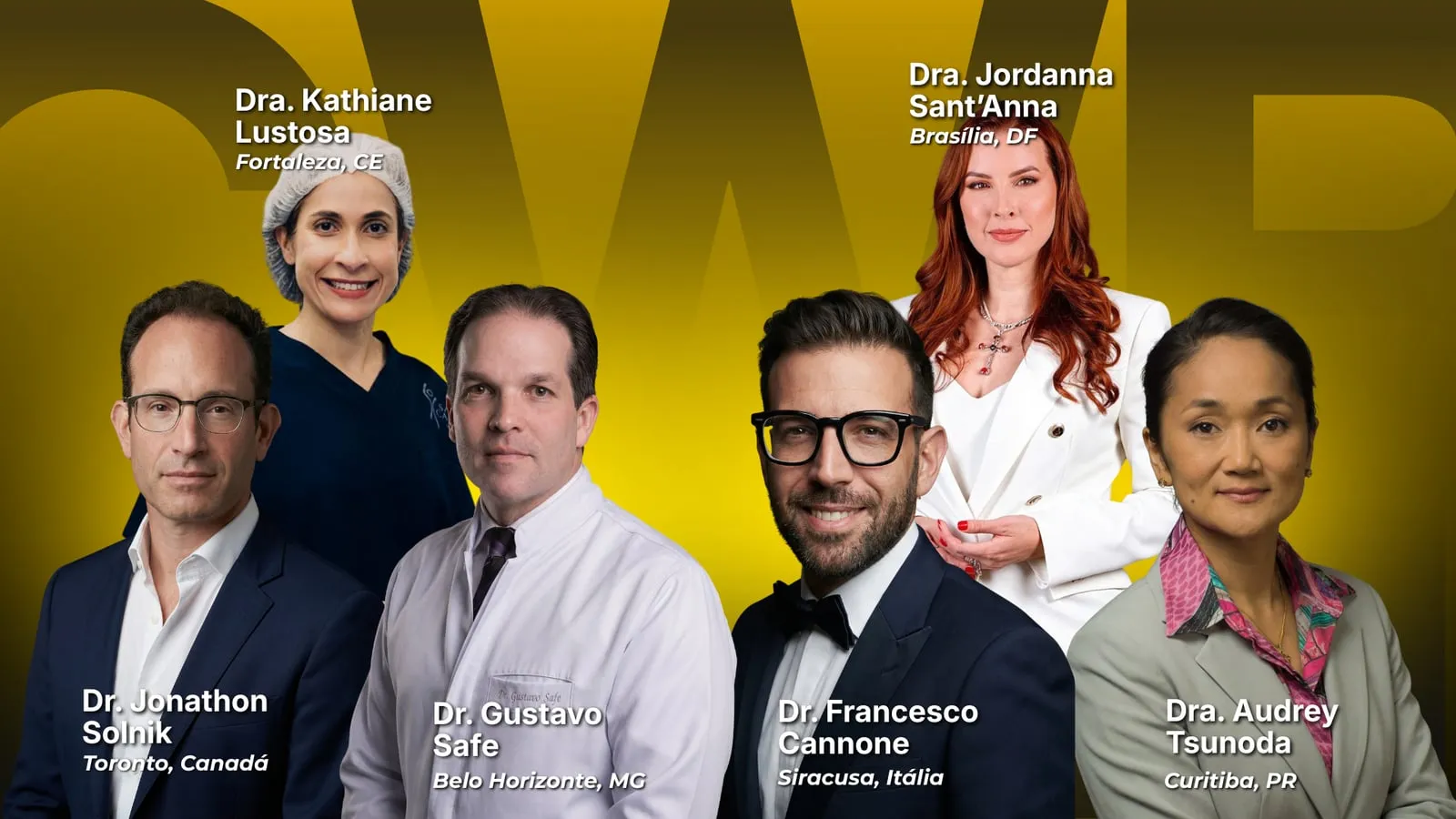
National and International Guests
Online Guest Faculty
OBJECTIVES
What you will learn
By the end of the course, participants will be able to:
- Understand the current role of robotic surgery in managing major gynecological conditions and its advantages over conventional techniques.
- Implement or improve a robotic surgery program efficiently, safely and with economic viability.
- Apply standardized techniques for hysterectomy, myomectomy and endometriosis treatment using advanced robotic principles.
- Recognize the specific limitations and advantages of robotic platforms, including docking strategies, instrument selection and surgical workflow organization.
- Integrate contemporary technologies, such as fluorescence (ICG), machine learning and image navigation, into surgical planning.
- 2 DAYS OF IMMERSION
- 10+ FACULTY
IMMERSION
Schedule
-
08:00 – 08:20
Welcome, Introduction and Course Overview
Dra. Fernanda Okita
Dr. Fernando Heredia Muñoz
- Global overview, program aims and integration with technological trends
-
08:20 – 10:20
LIVE SURGERY SESSION
Dr. Marco D´asta
Dr. Daniel Sanabria Serrano
Dr. Vito Chiantera
Dr. Gaby Moawad
- Surgery 1
- Surgery 2
- Surgery 3
- Surgery 4
-
10:00 – 10:20
Coffee break
-
10:20 – 12:00
Overview of Robotic Surgery
-
10:20 – 10:35
Overview of existing robotic platforms: functional comparison and applicability in gynecology
Dr. Fernando Heredia Muñoz
-
10:35 – 10:50
Overview of existing robotic platforms: functional comparison and applicability in gynecology
Dr. Jose Daniel Eugenio Colon
-
10:50 – 11:05
Surgical predictability in robotic surgery: from preoperative assessment to postoperative care
Dr. Gustavo Barison
-
11:05 – 11:25
How to avoid common robotic errors in real-world practice
Dr. Marco D’asta
-
11:25 – 11:40
Critical robotic skills that don’t exist in laparoscopy
Dr. Vito Chiantera
-
11:40 – 12:00
Discussion
-
12:00 – 13:30
Lunch
-
13:30 – 15:45
Implementing robotic surgery in clinical practice
-
13:30 – 13:45
Training and certification for robotic surgery: Pathways and Updates
Dra. Jordanna Sant’Anna Diniz e Moura Osaki
-
13:45 – 14:00
How to start a robotic surgery program: step by step for different settings
Dr. Mariano Tamura Vieira Gomes
-
14:00 – 14:15
Economics in robotic surgery: how to be sustainable and cost-effective in daily practice
Dr. Helder Ferreira
-
14:15 – 14:30
Robotics and Data Generation: How to integrate systems and metrics for continuous improvement
Dra. Vanessa Alvarenga Bezerra
-
14:30 – 14:45
Optimizing workflows, indicators and outcome predictability
Dr. Gustavo Barison
-
14:45 – 15:00
Current evidence in gynecologic robotic surgery: what truly changes outcomes?
Dr. Jonathon Solnik
-
15:00 – 15:15
How to be cost-effective in LATAM?
Dr. Daniel Serrano Sanabria
-
15:15 – 15:30
Discussion
-
15:30 – 15:45
Coffee break
-
15:45 – 17:30
Robotic surgery in everyday practice
-
15:45 – 16:00
Optimizing Your “Robotic Day”: Workflow, Ergonomics and Decision-Making
Dr. Claudio Severino Júnior
-
16:00 – 16:15
Docking and advanced strategies for positioning, arm changes, port changes and intraoperative adjustments in different X and Xi settings
Dra. Kathiane Lustosa Augusto
-
16:15 – 16:30
How to improve the aesthetic aspect of robotic surgery without compromising surgical performance?
Dr. Mariano Tamura Vieira Gomes
-
16:30 – 16:45
Robotics and Fertility Preservation: Where does technology really make a difference?
Dr. Gustavo Marques de Sousa Safe
-
16:45 – 17:00
Applications of ICG in gynecological surgery
Dr. Helder Ferreira
-
17:00 – 17:15
How to recognize and manage complications in robotic surgery
Dr. Fernando Heredia Muñoz
-
17:15 – 17:30
Discussion
-
17:30
End of the day
-
19:00
Social dinner
-
08:00 – 10:00
Live surgery
Dr. Juan Gilabert-Estellés
Dr. Duarte Miguel Ferreira Rodrigues Ribeiro
Dr. Rogers Camargo Mariano da Silva
- Surgery 5
- Surgery 6
- Surgery 7
-
10:00 – 10:20
Coffee break
-
10:20 – 12:00
Uterine and ovarian surgeries
-
10:30 – 10:45
Robotic hysterectomy: smart standardization for consistent outcomes
Dr. Francesco Cannone
-
10:45 – 11:00
Management of robotic hysterectomy in large uteri
Dra. Kathiane Lustosa Augusto
-
11:00 – 11:15
Robotic surgery in adenomyosis
Dr. Gaby Moawad
-
11:15 – 11:30
Robotic Myomectomy: Why Does It Change the Outcome?
Dr. Mariano Tamura Gomes
-
11:30 – 11:45
Robotic management of ovarian cysts: the state of the art
Dr. Francesco Cannone
-
11:45 – 12:00
Discussion
-
12:00 – 13:30
Lunch
-
13:30 – 15:30
Live surgery
Dr. Sidney Tomyo Nishida Arazawa
Dr. Jose Daniel Eugenio Colon
- Surgery 8
- Surgery 9
-
15:10 – 15:30
Coffee break
-
15:30 – 17:30
Approach to endometriosis in the pelvic region
-
15:30 – 15:45
Pelvic anatomy applied to robotic management of deep endometriosis
Dr. Juan Gilabert-Estellés
-
15:45 – 16:00
Pelvic neuroanatomy and its applications in robotic deep endometriosis surgery
Dr. Jonathon Solnik
-
16:00 – 16:15
Standardization of robotic surgery for deep endometriosis
Dra. Jordanna Sant’Anna Diniz e Moura Osaki
-
16:15 – 16:30
Strategies for the Anterior Compartment
Dr. Gustavo Marques de Sousa Safe
-
16:30 – 16:45
Optimizing treatment of the posterior pelvic compartment with robotics: how to overcome the lack of tactile sensation?
Dr. Claudio Severino Júnior
-
16:45 – 17:00
Robotic Bowel Endometriosis Surgery: Advantages and Limitations
Dr. Rogers Camargo Mariano da Silva
-
17:00 – 17:15
What benefits does the robotic platform offer when endometriosis involves the lateral compartment?
Dr. Jose Daniel Eugenio Colon
-
17:15 – 17:30
Discussion
-
17:30 – 18:15
Approach to endometriosis at extrapelvic sites
-
17:30 – 17:45
Docking and positioning in multiple settings: deep pelvis, upper abdomen and high BMI: Strategies for X and Xi
Dra. Audrey Tieko Tsunoda
-
17:45 – 18:00
Robotic surgery for diaphragmatic endometriosis
Dr. Duarte Miguel Ferreira Rodrigues Ribeiro
-
18:00 – 18:15
Discussion
-
18:15 – 19:30
Future perspectives in robotic surgery
-
18:15 – 18:30
New and future robotic platforms around the world
Dra. Audrey Tieko Tsunoda
-
18:30 – 18:45
Artificial Intelligence in Robotic Surgery
Dr. Gaby Moawad
-
18:45 – 19:00
Perspectives on intraoperative navigation in robotic surgery
Dra Fernanda Okita
-
19:00 – 19:15
Telesurgery: Are We Close to Routine Use?
Dra Vanessa Alvarenga Bezerra
-
19:15 – 19:30
Discussion
-
19:30
End of the course